|
The Renault Espace, a pioneering vehicle in the multi-purpose segment, has captured the attention of automotive enthusiasts and families alike since its debut in the early 1980s. This article aims to explore the methodologies and practices involved in the self-repair and maintenance of the Renault Espace 1 and 2 models. By employing a scientific approach to vehicle maintenance, owners can enhance the longevity and performance of their vehicles while also gaining valuable insights into automotive engineering.
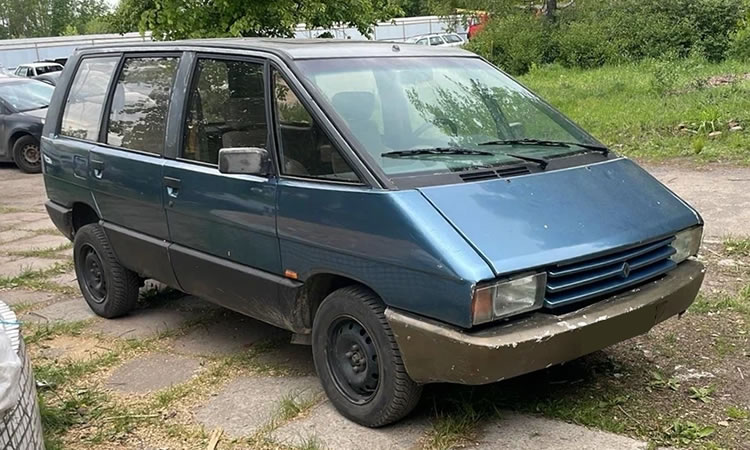
Introduction
The Renault Espace represents a significant advancement in automotive design, combining functionality with comfort. As with any vehicle, regular maintenance is crucial to ensure optimal performance and safety. This article delves into the essential aspects of self-servicing these particular models, emphasizing the importance of understanding both the mechanical systems and the maintenance procedures.
Importance of DIY Maintenance
Engaging in self-repair and maintenance of vehicles offers several advantages:
- Cost Efficiency: Performing maintenance tasks independently can significantly reduce costs associated with labor and parts.
- Enhanced Knowledge: Gaining hands-on experience with the vehicle fosters a deeper understanding of its mechanical systems, leading to improved troubleshooting skills.
- Quality Assurance: Owners can select high-quality parts and fluids, ensuring that the vehicle remains in optimal condition.
- Convenience: DIY maintenance allows for scheduling at the owner's discretion, minimizing downtime and enhancing vehicle availability.
Essential Tools and Equipment
Before embarking on any maintenance or repair tasks, it is imperative to gather the necessary tools and equipment:
- Hand Tools
- Metric wrench set (ranging from 8 to 19 mm)
- Socket set with ratchet handle
- Torque wrench (capable of measuring 10 to 100 Nm)
- Phillips and flathead screwdrivers
- Pliers and adjustable wrenches
- Allen key set
- Lifting Equipment
- Hydraulic floor jack (minimum capacity of 2 tons)
- Heavy-duty jack stands (a pair)
- Wheel chocks for added safety
- Fluids and Replacement Parts
- Engine oil (typically 5W-40 or as specified in the owner’s manual)
- Oil and fuel filters
- Air filter
- Spark plugs (specific to model requirements)
- Coolant (preferably OAT formulation)
- Brake fluid (DOT 4)
- Safety Gear and Consumables
- Nitrile gloves and safety goggles
- Drain pan and absorbent materials
- Cleaning rags and agents
- Threadlocker (medium strength)
Routine Maintenance Procedures
Regular maintenance is essential for the Renault Espace to ensure its reliability and performance. Key procedures include:
- Engine Oil and Filter Change
- Warm the engine to facilitate oil drainage.
- Secure the vehicle on jack stands and place wheel chocks.
- Position a drain pan beneath the oil sump and remove the drain plug.
- Replace the oil filter, ensuring the sealing surface is clean.
- Reinstall the drain plug and refill the engine with new oil.
- Start the engine and check for leaks.
- Air Filter Replacement
- Access the air filter housing in the engine compartment.
- Remove the cover and extract the old air filter.
- Insert the new filter, ensuring a proper fit.
- Reassemble the air filter housing securely.
- Spark Plug Replacement
- Disconnect the negative battery terminal for safety.
- Remove the ignition coil assemblies or spark plug wires.
- Use a spark plug socket to remove the old plugs.
- Install new plugs, ensuring they are correctly gapped and torqued.
- Brake Inspection and Pad Replacement
- Elevate the vehicle and remove the wheels to access brake components.
- Inspect brake pads and rotors for wear; replace as necessary.
- Remove the caliper and suspend it securely to avoid straining the brake line.
- Replace the pads and compress the caliper piston before reinstallation.
- Coolant System Maintenance
- Check the coolant level in the expansion tank when the engine is cold.
- Add coolant if necessary, ensuring the correct mixture.
- Inspect hoses for leaks or wear, replacing them if needed.
Troubleshooting Common Issues
Understanding common issues can enhance the effectiveness of maintenance:
- Engine Hesitation: Potential causes include worn spark plugs or vacuum leaks.
- Overheating: Check the thermostat and radiator fan functionality, as well as coolant levels.
- Brake Noise: Inspect for worn pads or warped rotors, which may require replacement.
- Suspension Issues: Examine strut mounts and bushings for wear, replacing them as necessary.
Safety Considerations
Prioritizing safety is paramount during maintenance tasks:
- Engage the parking brake and use wheel chocks when lifting the vehicle.
- Ensure the vehicle is supported on jack stands; never rely solely on a jack.
- Disconnect the battery before working on electrical components to prevent shorts.
- Use appropriate personal protective equipment, including gloves and goggles.
- Consult the service manual for specific torque settings and repair procedures.
Conclusion
The Renault Espace 1 and 2 models provide an excellent opportunity for owners to engage in self-repair and maintenance. By adopting a scientific approach to these tasks, individuals can enhance their understanding of automotive mechanics and improve the longevity and performance of their vehicles. Through diligent application of the outlined procedures and adherence to safety protocols, owners can ensure that their Renault Espace remains a reliable and efficient mode of transportation for years to come. |
